How to Start Volunteering for UK Conservation: A Practical Guide
A work party in a wet wood in early February is not the most glamorous introduction to conservation. It is, however, one of the best. You arrive not knowing anyone, spend twenty minutes learning to use a bowsaw properly, and leave with mud in your hair, a stretch of hedge that did not exist that morning, and a few new names to remember.
That is roughly how it goes for most people who start volunteering for UK conservation. No qualifications are needed. No prior experience, no specialist kit, no membership. What matters is turning up and being willing to learn.
Start With What Is Already Nearby
The trick is not to search for "conservation volunteering" as a category. Look at the green spaces within a few miles of your front door, then find out who looks after them.
In most of the UK, the county or regional Wildlife Trust is the best single starting point. Almost every area has one, and many run regular practical work parties on nature reserves throughout the year. The Conservation Volunteers also runs local groups and Green Gym sessions, which mix outdoor work with gentle exercise. Beyond those, look at:
- National Trust, RSPB, Woodland Trust and Canal & River Trust sites near you, most of which have volunteer teams
- your local council's countryside or parks service
- friends-of-parks groups, community orchards, allotment associations and churchyard conservation groups
- river restoration groups and local branches of wildlife recording or ornithological societies
Practical places to look: the noticeboard in a village hall, library or farm shop; the events page of your local Wildlife Trust; a local nature or gardening group online, where a quick question usually gets an answer. One email to a warden is generally enough to get a yes.
What a Conservation Work Party Actually Involves
Days vary hugely between sites, but the rhythm is consistent. You meet at a car park or reserve entrance, usually between 9.30 and 10am. The leader gives a short briefing on the site, the day's task and the safety points, then hands out tools. There is a tea break mid-morning, lunch, and most groups finish by mid-afternoon.
The work follows the seasons:
- Autumn and winter: coppicing, scrub clearance, tree and hedge planting, hedge laying, ditch clearing, fence and gate repairs, path work
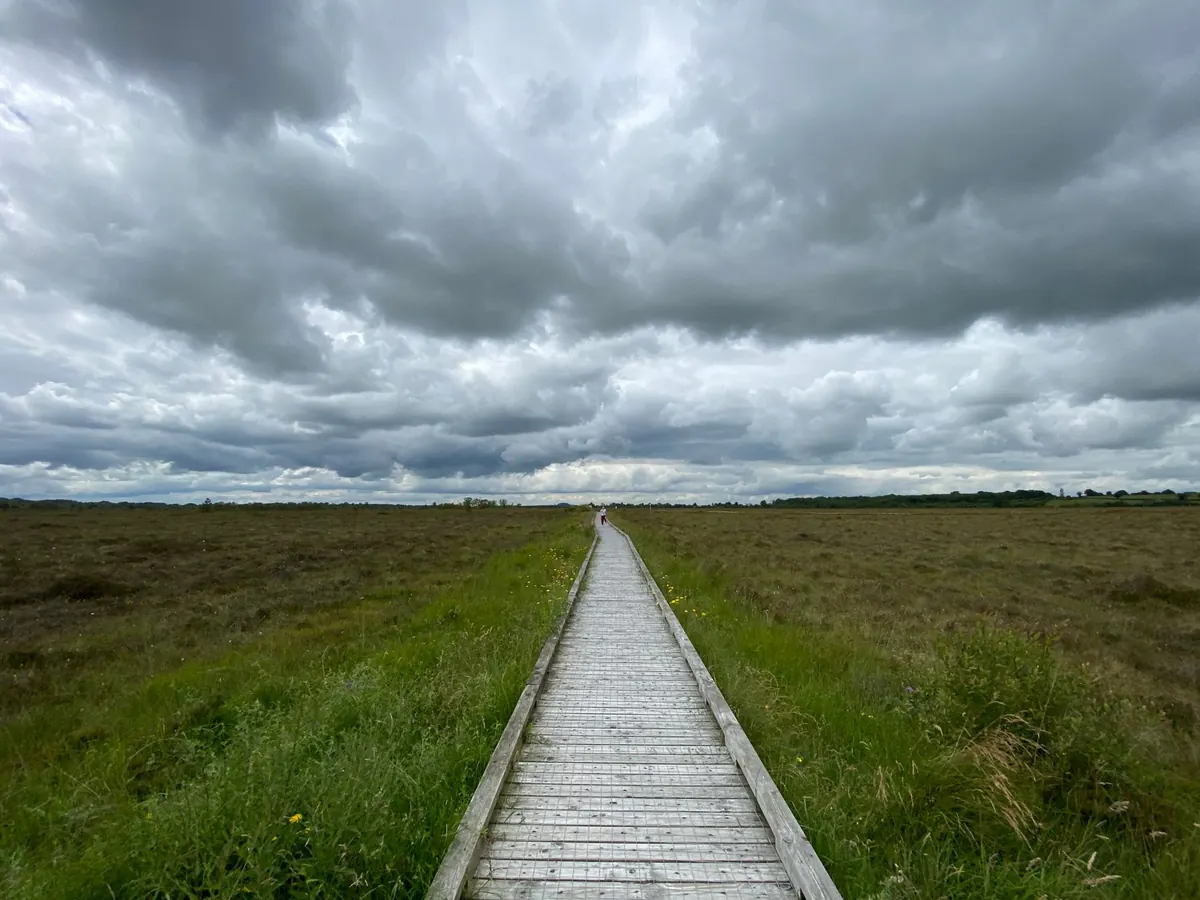
- Spring: planting, seed sowing, nest box checks, boardwalk repairs, removing invasive species
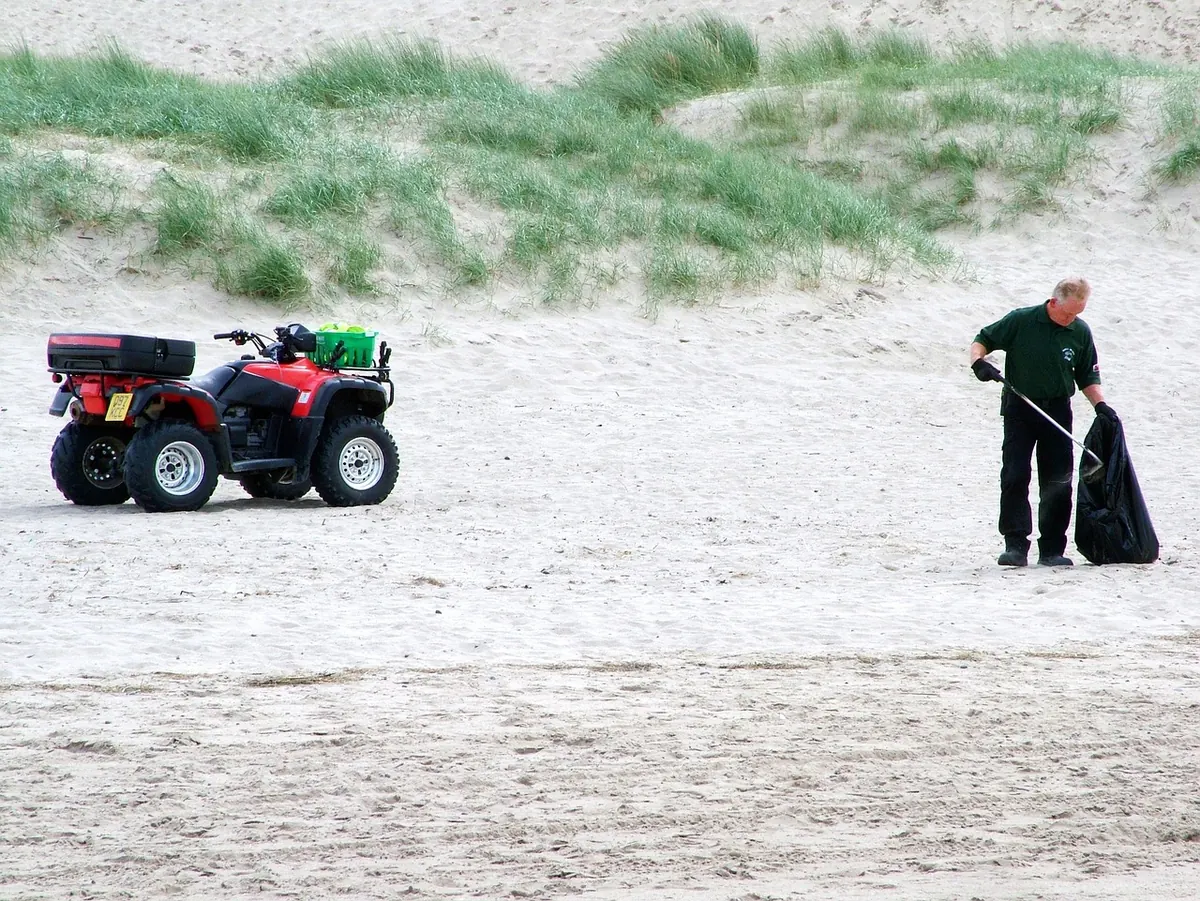
- Summer: raking and carting hay off wildflower meadows, pond work, bracken bashing, litter picks, helping at events
- Year-round: wildlife surveys, species recording, site checks, and behind-the-scenes admin
Some groups are small and quiet; others are chatty, with a proper brew kit and cake. Try two or three before deciding which suits you.
Roles That Suit Different People
Practical work is the visible part of conservation volunteering, but it is far from the only option. If you have a bad back, a dodgy knee, small children, or simply no interest in wielding a slasher, there is still plenty to do.
- Survey and recording: butterfly transects, bird counts, plant recording, or submitting sightings to iRecord or your local environmental records centre
- Practical conservation: the work party model above, from a few hours a month to a full day each week
- Growing and gardening: community orchards, churchyards and wildlife-friendly planting projects
- People-facing roles: leading walks, staffing stalls, school visits, photography, newsletters
- Behind the scenes: trustees, treasurers, grant writing, website help
If you are unsure which fits, say so when you get in touch. Coordinators are used to matching people to tasks.
Building Skills From a Standing Start
Nobody expects a new volunteer to arrive knowing how to lay a hedge. Training happens on the job, in small doses. Tool talks before each task cover how to use and carry equipment safely, and most leaders will happily demonstrate a technique twice if you ask.
After a few sessions, other avenues open up:
- Certificated training: brushcutter and chainsaw courses are usually required before you use that kit, and many trusts help fund them for regular volunteers
- Countryside crafts: hedgelaying, dry stone walling and coppicing courses run through local trusts, agricultural colleges and specialist societies
- Identification: start with one group — trees, bumblebees, birdsong — and build outwards. A notebook and a good field guide beat an app with no signal
- First aid and leadership: outdoor first aid and volunteer leader training are often funded for committed helpers
Keep a simple record of what you have done, roughly where and when. It is genuinely useful if you later apply for a paid countryside job, a college course or a licence.
Kit, Comfort and Common Sense
You do not need expensive gear. You need layers you do not mind ruining.
- Sturdy boots or wellingtons, ideally waterproof
- Gloves — many groups provide them, but your own pair fits better
- Waterproof jacket and trousers, plus a spare dry layer in the car
- Long sleeves and trousers, even in summer
- Water, lunch and a flask; a sit mat is a small luxury
- Any medication you might need, plus sun cream or insect repellent depending on the season
Before your first session, ask the coordinator a few questions: what will I be doing, what should I bring, is there parking, are tools and gloves provided, and is there anywhere to shelter or find a toilet. Mention any health condition or injury that might affect what you can do — leaders can adjust tasks, but only if they know. If you have a heart condition, a recent injury or a long-term health issue and you are unsure whether the work is suitable, check with your GP first.
Your First Step Is One Email
Pick one site you already walk past and find out who manages it. Send a short message: who you are, when you are free, and that you are a beginner. Expect a reply within a week or so; if you hear nothing, try the next organisation rather than assuming you have been turned down.
Then go once. Not for a season, not for a year — once. If it feels cold, muddy and slightly awkward, that is normal for a first visit. Stay for the tea break at least. Most people find the second session is the one that hooks them, when you recognise a face, remember where the tools live, and can see what a morning's work has done to a pond edge or a hedge line. Few hobbies give you that: a visible result that grows back and belongs to everyone.
Photo: Andrew_Poynton / Pixabay
Coppicing Explained: Why Traditional Woodland Management Helps British Wildlife
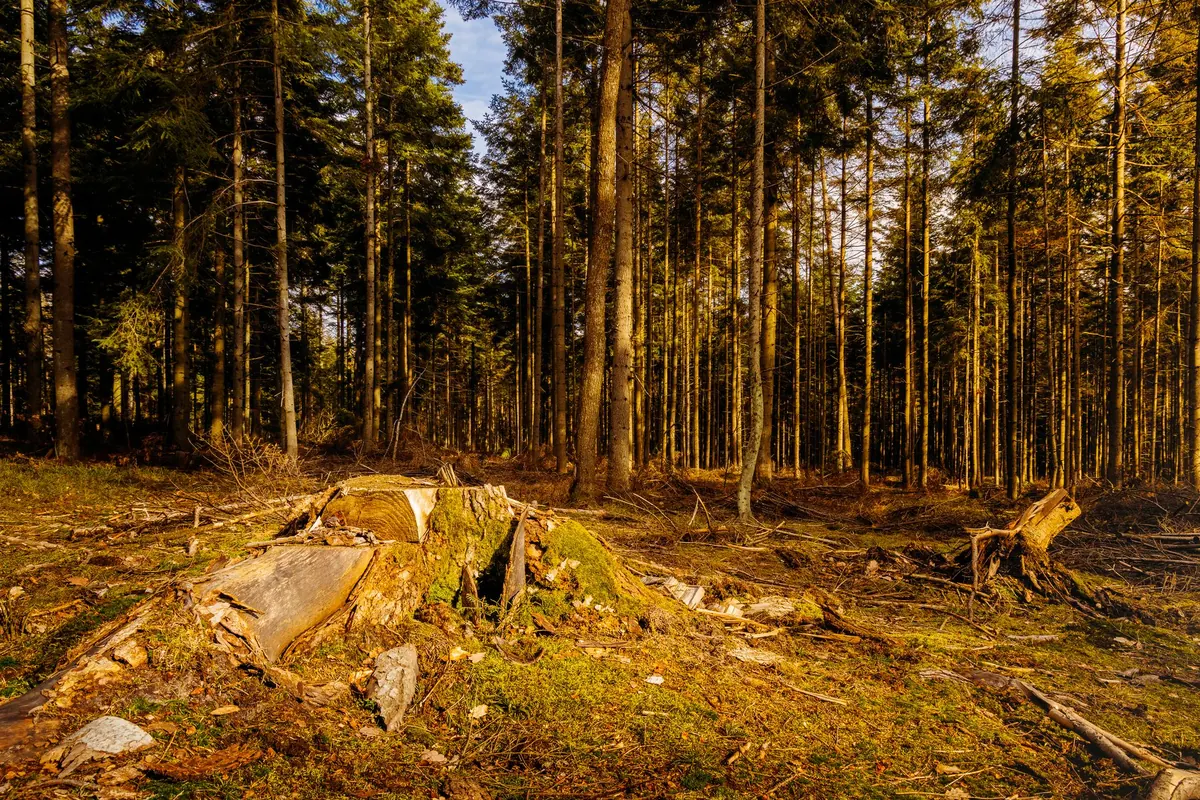
Coppicing — cutting trees near the ground so they regrow — keeps British woods light, open and rich in...
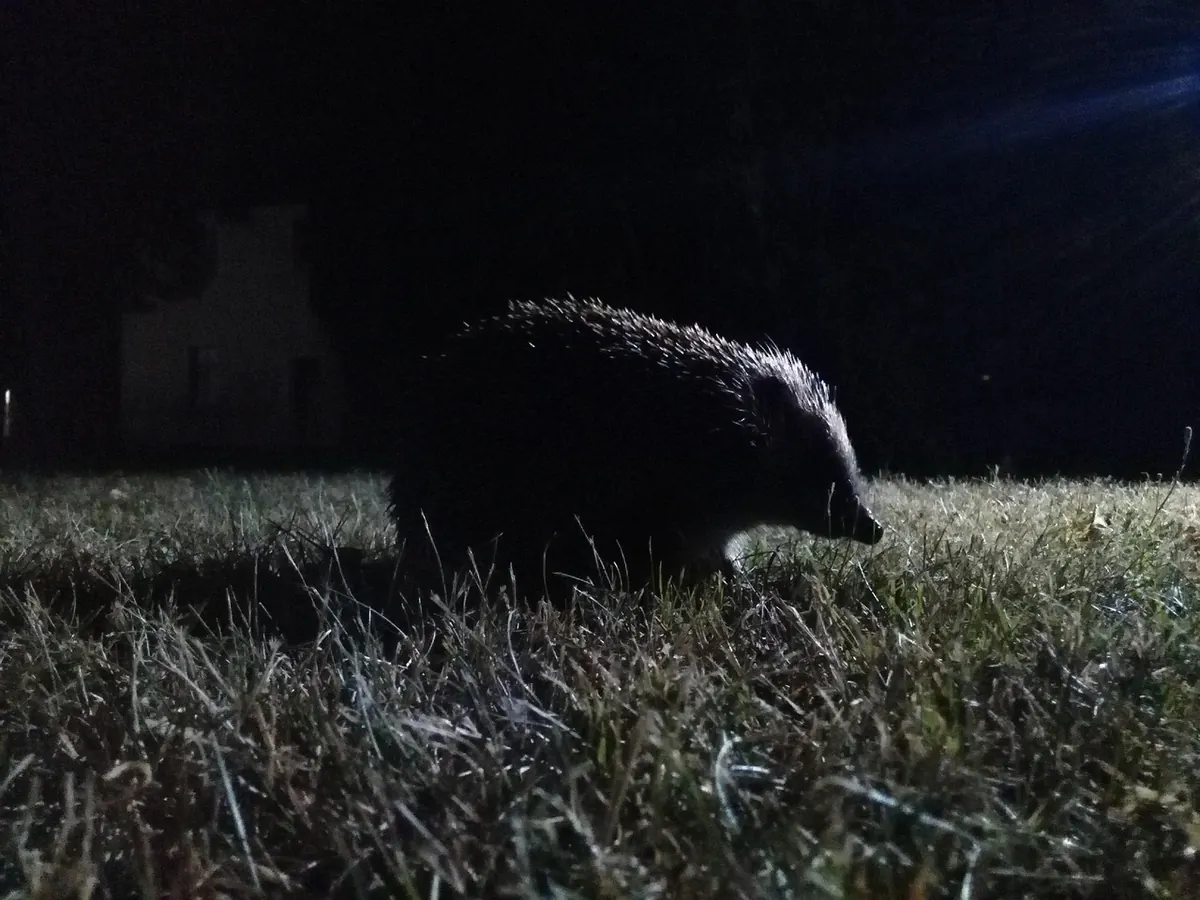
Hedgehog or Badger? How to Identify Night-Time Garden Visitors in the UK
Learn to tell hedgehogs, badgers and other night-time garden visitors apart by their tracks, droppings,...
About Us